

Preserving the Past for Future Generations
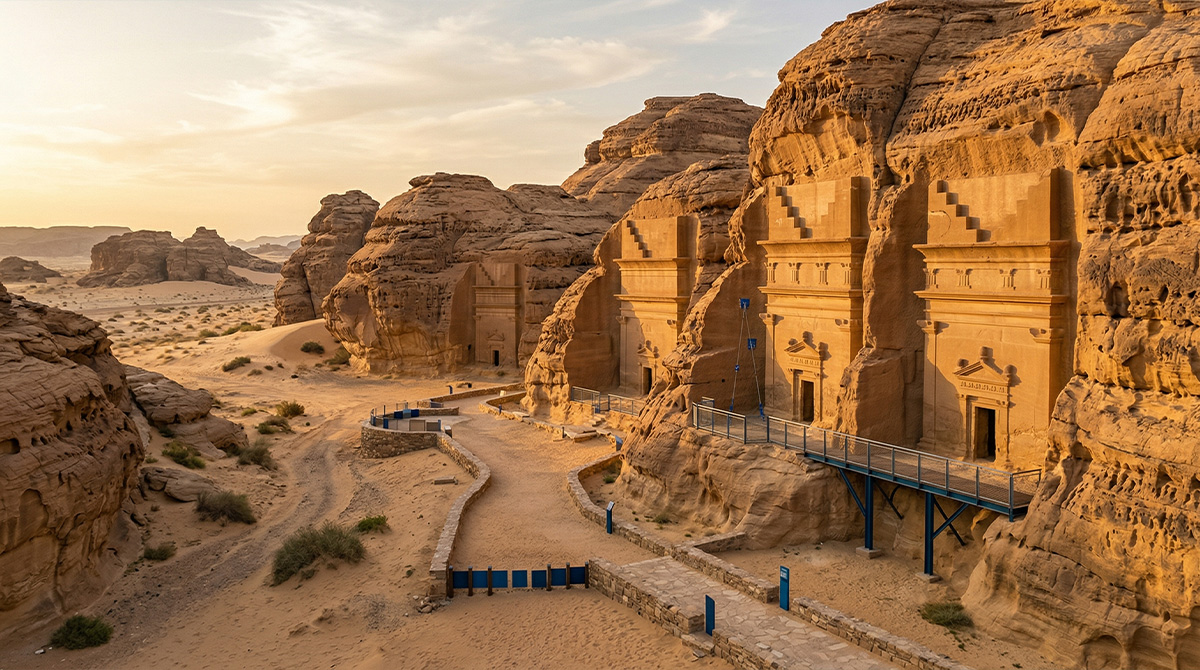
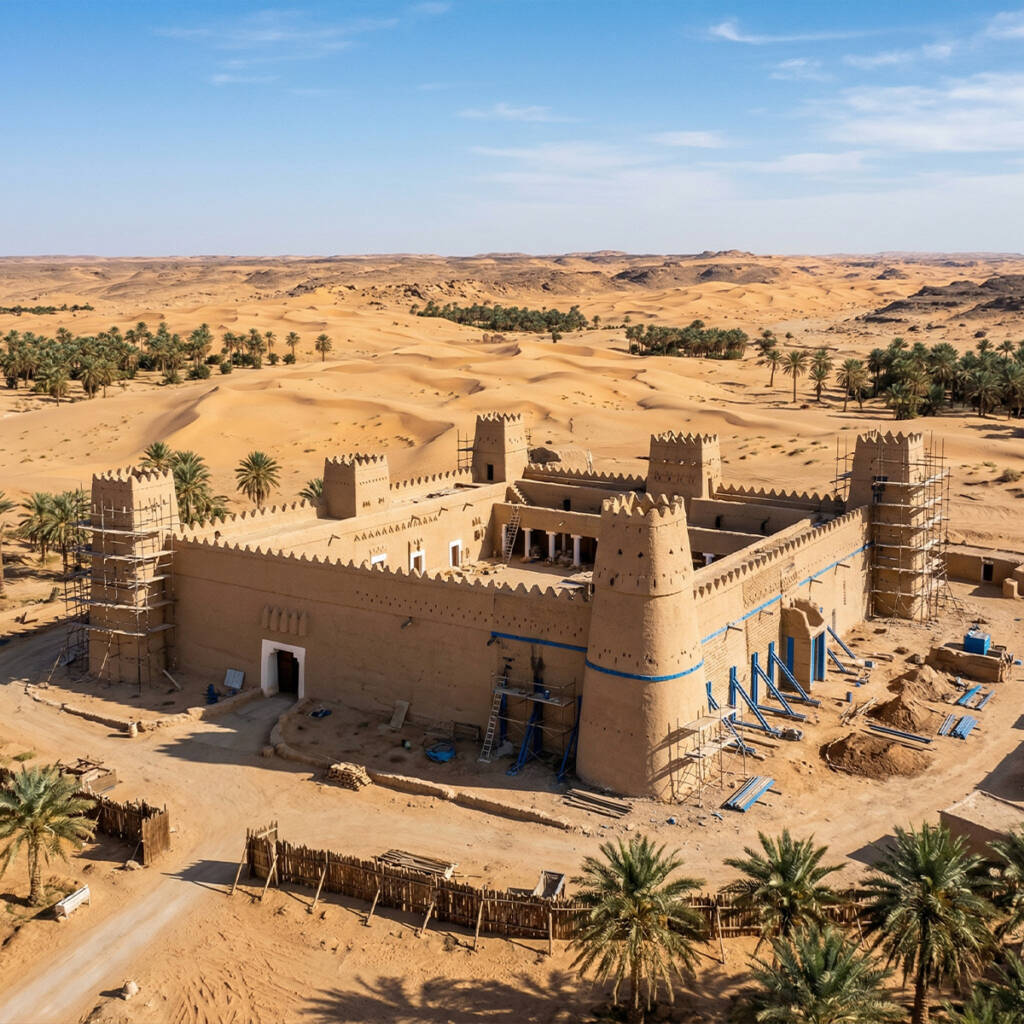
Heritage and cultural structures are the soul of a nation. They tell the story of who we are, where we come from, and the values that define us. From ancient archaeological sites and historic buildings to cultural landmarks and traditional architecture, these irreplaceable assets connect us to our past, inspire future generations, and form the foundation of cultural identity. In the Kingdom of Saudi Arabia, where history runs deep and cultural preservation is a national priority, protecting these treasures is both a privilege and a profound responsibility. The Kingdom is home to a rich tapestry of heritage—from the ancient Nabatean tombs of AlUla and the historic districts of Jeddah to the mud-brick forts of the Najd region and the rock art of the Hail region—each telling a unique story of civilizations that have shaped the Arabian Peninsula. At Arabian Strengthening & Protection Co., we understand that heritage preservation requires a delicate balance—maintaining authenticity while ensuring structural safety, using sensitive approaches that respect original materials and craftsmanship, and employing reversible techniques that allow future generations to continue the work of preservation. We bring specialized expertise in structural evaluation, sensitive rehabilitation, and protective interventions that safeguard these irreplaceable assets for generations to come.
The Importance of Heritage & Cultural Assets
Heritage and cultural structures are among the most valuable assets a nation can possess, serving as tangible links to the history, traditions, and identity of the people. They preserve the cultural identity of the nation, embodying the values, beliefs, and achievements of those who came before. They connect citizens to their heritage and shared history, fostering a sense of belonging and pride that strengthens social cohesion. They attract visitors, support cultural tourism, and contribute to economic diversification, creating opportunities for local communities while sharing the Kingdom’s rich history with the world. They teach future generations about their history and cultural heritage, providing educational opportunities that inspire and inform. They preserve traditional building techniques, craftsmanship, and architectural styles that might otherwise be lost, maintaining the skills and knowledge that have shaped the built environment for centuries. These structures are often centuries old, built with traditional materials and methods—stone, mud-brick, coral, lime mortar, and wood—and vulnerable to deterioration from age, environmental exposure, moisture, salt attack, biological growth, and previous interventions that may have used incompatible materials. Preserving them requires specialized knowledge, sensitive approaches, and a deep respect for authenticity.
Our Expertise in Heritage & Cultural Preservation
At Arabian Strengthening & Protection Co., we bring specialized expertise to the heritage and cultural sector through an approach that combines advanced structural evaluation with sensitive, reversible rehabilitation techniques that respect the authenticity and integrity of historic structures. Our services span the full spectrum of heritage assets, ensuring that each structure is carefully assessed, sensitively repaired, and protected for future generations.
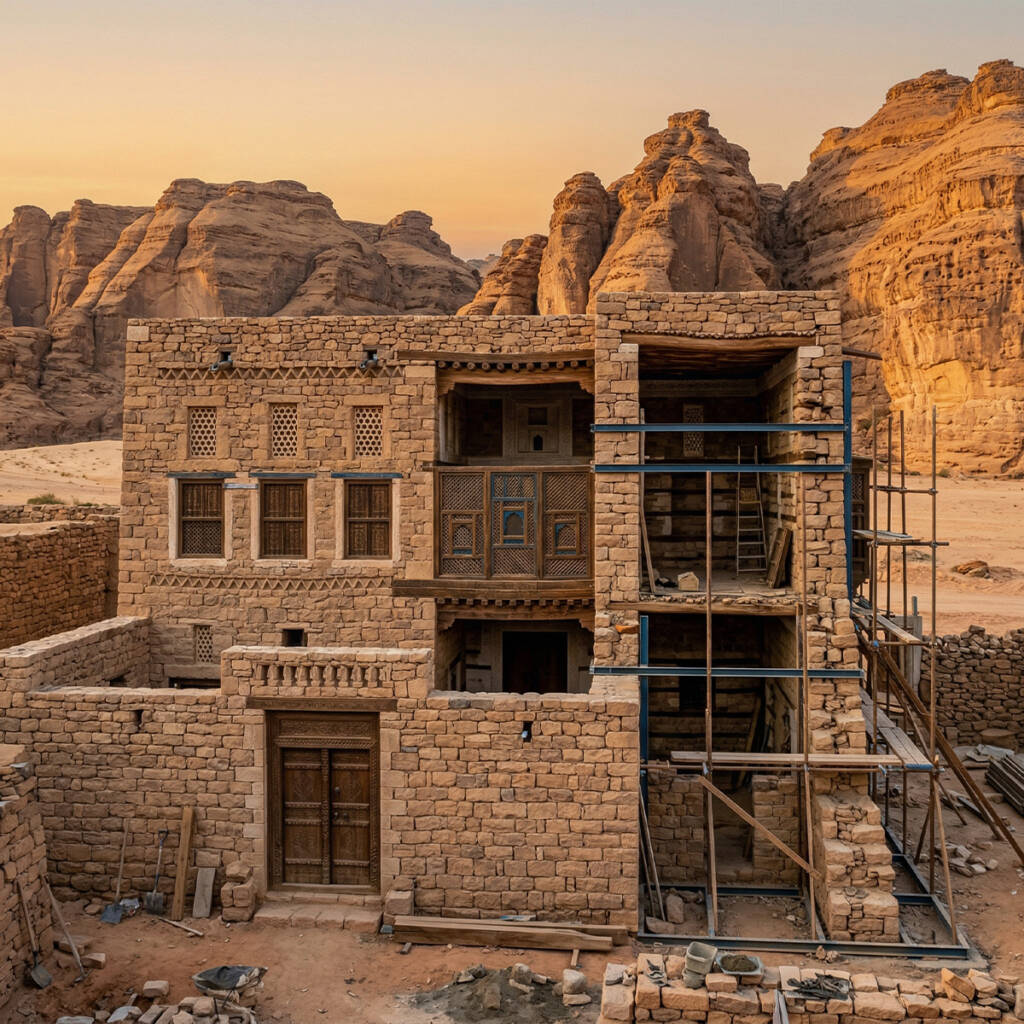
Historic buildings—including palaces, forts, traditional houses, religious structures, and historic commercial buildings—form the core of the Kingdom’s architectural heritage. These structures, built with traditional materials such as stone, mud-brick, coral, and timber, require specialized knowledge and sensitive approaches to preservation. Our services for historic buildings encompass structural evaluation to assess condition, identify deterioration mechanisms, and understand structural behavior; concrete and stone rehabilitation using compatible materials that match the original in strength, permeability, and appearance; soil injection to stabilize foundations and address settlement; waterproofing and moisture control using breathable systems that allow moisture vapor to escape; and reversible strengthening techniques that enhance stability while preserving authenticity. These services ensure that historic buildings remain safe, stable, and authentic for future generations.
Archaeological sites—including ancient cities, tombs, rock-cut architecture, and excavation areas—represent some of the most significant heritage assets, offering windows into civilizations that flourished millennia ago. Our services for archaeological sites include structural evaluation to assess the stability of exposed remains, soil stabilization to prevent erosion and collapse, protective interventions such as shelters to protect exposed remains from weathering, and monitoring systems to track movement, moisture, and environmental conditions. These services preserve the archaeological record, enabling continued study and interpretation while protecting remains for future generations.
Cultural landmarks—including museums, cultural centers, monuments, and public art—serve as focal points for cultural expression and community identity. Our services for cultural landmarks include structural evaluation to assess condition and identify deterioration, concrete rehabilitation and stone repair using compatible materials, waterproofing to protect against moisture intrusion, and protective coatings that preserve appearance while providing protection. These services ensure that cultural landmarks remain vibrant and accessible, serving as gathering places and sources of pride for communities.
Traditional architecture—including mud-brick structures, stone buildings, and vernacular architecture—represents the accumulated wisdom of generations, embodying building techniques adapted to local climate, materials, and culture. Our services for traditional architecture include structural evaluation to understand structural behavior and identify vulnerabilities, soil injection to stabilize foundations, compatible repair techniques using traditional materials and methods, and reversible strengthening that respects the integrity of the original structure. These services preserve the architectural heritage that defines the character of regions across the Kingdom.
Historic infrastructure—including traditional wells, irrigation systems, historic bridges, and other functional structures—represents the engineering achievements of past generations. Our services for historic infrastructure include structural evaluation to assess condition, concrete rehabilitation and stone repair, soil injection for foundation stabilization, and waterproofing to protect against water damage. These services preserve the functional heritage that supported communities for centuries.
Our Approach to Heritage & Cultural Preservation
Our approach to heritage and cultural preservation is guided by principles that respect the authenticity, integrity, and significance of each structure. We place authenticity first, respecting the historic character of each structure and preserving original materials, craftsmanship, and architectural features. Our interventions are designed to be reversible wherever possible, allowing future generations to continue preservation efforts without being constrained by irreversible treatments. We employ sensitive evaluation techniques before any intervention begins, conducting comprehensive structural evaluation to understand the condition, deterioration mechanisms, and structural behavior of the heritage asset. This assessment guides all subsequent decisions, ensuring that interventions are appropriate and effective. We use materials compatible with historic materials—matching strength, permeability, thermal properties, and appearance—recognizing that inappropriate materials can cause accelerated deterioration and compromise authenticity. We intervene only where necessary, preserving as much original fabric as possible, guided by the principle of minimal intervention—doing only what is needed to ensure safety and stability. We work closely with heritage authorities, archaeologists, conservators, and local communities to ensure that all interventions meet preservation standards and respect cultural significance. Every intervention is thoroughly documented—including pre-existing conditions, materials used, techniques employed, and final outcomes—creating a record for future preservation efforts. Heritage preservation requires skilled craftspeople familiar with traditional materials and techniques, and we employ artisans with expertise in traditional building methods, lime mortars, stone masonry, and mud-brick construction.
Our Services for Heritage & Cultural Preservation
Our services for heritage and cultural preservation encompass every aspect of structural evaluation, sensitive repair, and protective intervention, delivered with respect for authenticity and a commitment to long-term preservation.
Structural evaluation and diagnostics are the foundation of any heritage preservation project. Before any intervention begins, we must understand the true condition of the heritage asset. Our services include historical research to review historical records, construction methods, and previous interventions; visual inspection to systematically assess visible distress including cracking, settlement, moisture, and biological growth; non-destructive testing using minimally invasive techniques such as rebound hammer, ultrasonic pulse velocity, ground-penetrating radar, and thermal imaging; material analysis to identify original materials and characterize traditional mortars, stone, and other materials; structural analysis to assess structural behavior, load paths, stability, and safety; and deterioration assessment to identify mechanisms including salt attack, moisture, biological growth, and structural movement. These services identify deterioration mechanisms without damaging original fabric, guide appropriate, sensitive intervention strategies, ensure interventions address root causes, not just symptoms, and provide baseline for future monitoring and preservation.
Concrete and stone rehabilitation requires sensitive approaches that respect the character of historic materials. Our services include stone masonry repair using compatible mortars for repointing, stone replacement with matching material, and consolidation of deteriorated stone; mud-brick structure stabilization including erosion surface treatment, compatible repair techniques, and moisture protection; historic concrete repair for early concrete structures, matching material properties and appearance, with corrosion mitigation; traditional mortar analysis and replication to match historic compositions using lime-based mortars; and surface consolidation to stabilize deteriorated surfaces using appropriate treatments. These services ensure that repairs are compatible with original materials, matching color, texture, and permeability, and employ reversible techniques where possible.
Soil injection and ground stabilization address the foundation challenges that often affect heritage structures. Many historic buildings suffer from foundation settlement and ground instability. Our techniques include compaction grouting to stabilize loose soils under historic foundations with minimal disturbance; permeation grouting to improve soil strength while preserving archaeological context; chemical grouting for rapid stabilization, void filling, and water flow control; micro-piles for foundation underpinning with minimal visual impact; and lime injection using traditional stabilization techniques compatible with historic structures. These services stabilize foundations without excavation or disturbance, preserve archaeological context, employ reversible techniques where appropriate, and provide minimally invasive solutions.
Waterproofing and moisture control protect heritage structures from one of the greatest threats to historic fabric. Moisture causes salt attack, biological growth, freeze-thaw damage, and material deterioration. Our moisture control solutions include below-grade waterproofing using breathable systems that allow moisture vapor transmission; roof and terrace waterproofing using compatible systems that respect historic roof structures; damp-proof course installation to prevent rising damp; perimeter drainage systems to direct water away from foundations; surface protection using breathable, compatible treatments that reduce moisture ingress; and condensation control through ventilation and moisture management for historic interiors. These services use breathable systems that allow moisture vapor to escape, ensure compatibility with historic materials, employ reversible techniques where possible, and avoid moisture-trapping systems that could accelerate deterioration.
Structural strengthening for heritage structures requires techniques that enhance stability while preserving authenticity. Our strengthening solutions include fiber-reinforced polymer (FRP) for discreet strengthening with minimal visual impact; steel reinforcement using discreet steel elements that respect historic fabric; tie rods and anchors using traditional strengthening techniques compatible with historic structures; section enlargement through careful addition of material to enhance capacity; and external post-tensioning for discreet strengthening of arches, vaults, and walls. These services minimize visual impact, employ reversible techniques where possible, ensure compatibility with historic materials, and respect architectural character.
Crack injection and repair require careful approaches that preserve original fabric while addressing structural issues. Our crack repair services include lime grout injection using traditional crack repair compatible with historic masonry; epoxy injection for structural crack repair in historic concrete; polyurethane injection for sealing active leaks while preserving fabric; and surface repair using careful patching that matches original appearance. These services match color, texture, and properties of original materials, employ reversible techniques where possible, and follow minimal intervention principles.
Protective interventions safeguard heritage assets for the future beyond active repair. Our protective services include protective shelters to protect exposed archaeological remains from weathering; monitoring systems including instrumentation to track structural movement, moisture, and environmental conditions; erosion control to protect against wind, water, and biological erosion; visitor management infrastructure to manage access while protecting heritage; and emergency stabilization for rapid response to stabilize structures at risk of collapse.
