


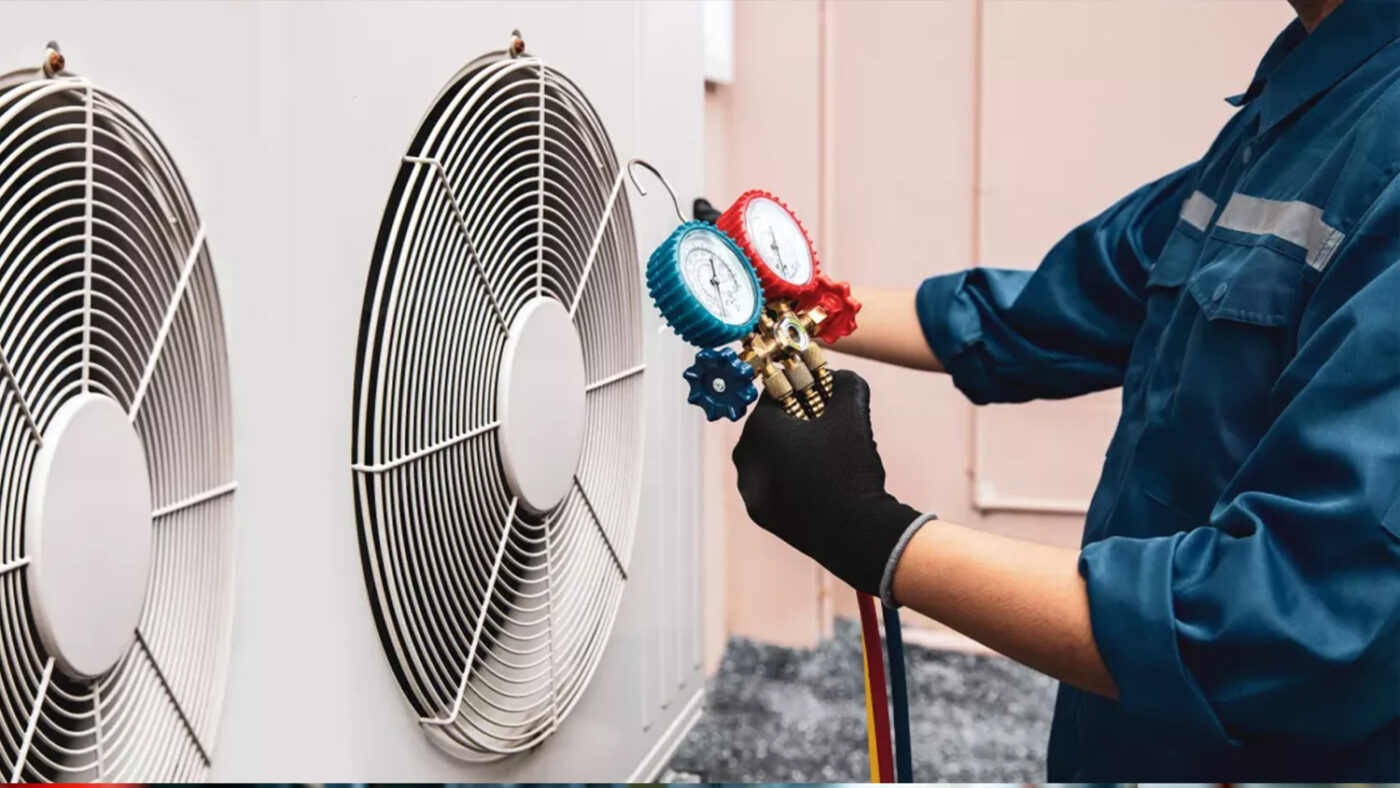

HVAC systems are the backbone of modern building comfort and indoor air quality. They regulate temperature, humidity, and airflow to provide a safe, healthy, and energy-efficient environment for occupants. In construction projects, HVAC systems are carefully designed to match building size, function, and sustainability requirements.
Key Components of HVAC Systems
- Heating Systems
- Boilers & Furnaces – produce heat for large buildings
- Heat Pumps – energy-efficient alternative for both heating & cooling
- Radiant Floor Heating – for even heat distribution
- Ventilation Systems
- Fresh Air Units (FAHU) – bring in and filter fresh air
- Exhaust Systems – remove stale air, fumes, and contaminants
- Air Handling Units (AHU) – distribute conditioned air efficiently
- Ducting & Diffusers – ensure proper airflow to all zones
- Air Conditioning & Cooling Systems
- Chillers & Cooling Towers – for large-scale cooling
- Split & VRF/VRV Systems – for zonal temperature control
- Packaged Units – for medium-sized commercial spaces
- Controls & Automation
- Building Management System (BMS) integration
- Smart thermostats and sensors for energy optimization
- Remote monitoring and fault detection
Benefits of HVAC Systems
- Comfortable Indoor Environment – maintains ideal temperature and air quality
- Energy Efficiency – modern systems minimize power consumption
- Health & Safety – improves ventilation and reduces airborne contaminants
- Productivity Boost – comfortable workplaces enhance employee performance
- Compliance – meets ASHRAE, ISHRAE, and local building codes
Implementation Approach
- Design Stage: Conduct heat load calculations and select suitable equipment
- Installation Stage: Proper ducting, insulation, and equipment alignment
- Testing & Commissioning: Verify air balancing and system performance
- Maintenance: Regular servicing to ensure efficiency and longevity