

Service Overview
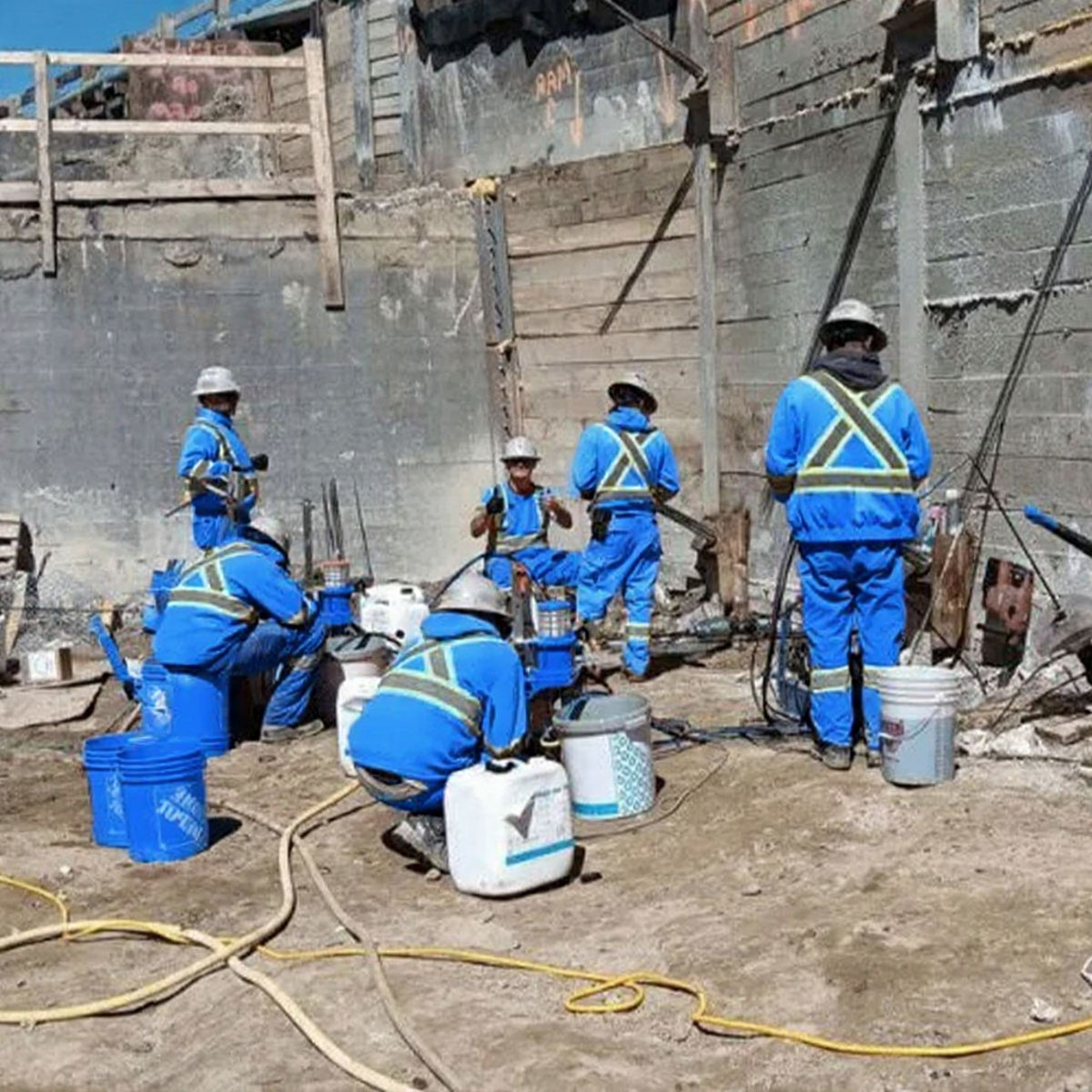
The ground beneath your structure is its most critical foundation. When soil shifts, settles, or erodes, the integrity of everything built upon it is compromised. Arabian Company delivers engineered soil injection services that stabilize weak ground, lift settled foundations, control groundwater, and restore structural integrity—all without excavation or major disruption to your operations.
Using advanced grouting technologies and precise, minimally invasive techniques, we diagnose subsurface conditions and deliver permanent solutions that address the root cause of instability. From residential foundations to industrial facilities and critical infrastructure, our soil injection services provide a fast, cost-effective, and durable path to ground stabilization.
Our Philosophy: Treat the Cause, Not the Symptom
Soil instability is a hidden threat that demands a scientific, engineering-led response. We believe in:
| Principle | Application |
|---|---|
| Accurate Diagnosis | Comprehensive geotechnical investigation to understand soil conditions, failure mechanisms, and groundwater behavior before any injection begins |
| Precision Engineering | Calculating injection parameters—material selection, injection points, sequences, and pressures—to achieve specified performance outcomes |
| Permanent Solutions | Selecting materials and methods that provide long-term stabilization, not temporary fixes |
| Minimal Disruption | Designing solutions that work beneath the surface, allowing normal operations to continue above |
Comprehensive Soil Injection Solutions
| Service Type | Description |
|---|---|
| Polyurethane (PU) Foam Injection | High-density expanding foam injected beneath slabs and foundations; expands up to 30x its volume to fill voids and lift settled concrete |
| Compaction Grouting | High-mobility, low-slump grout injected to displace and densify loose soils; creates bulbs of dense grout that compact surrounding ground |
| Chemical Grouting & Permeation Grouting | Low-viscosity chemical resins injected to stabilize loose soils and control water seepage; permeates soil pores without disturbing structure | Fracture Grouting (Claquage) | Controlled injection to create fractures in soil, lifting and re-leveling structures with precision | Hydrophilic & Hydro-Active Grouts | Water-activated resins that expand on contact with moisture, creating permanent seals | Cementitious Grouting | Traditional cement-based grouts for void filling, underpinning, and large-volume stabilization | Jet Grouting | High-pressure injection and mixing of grout with native soil to create solicrete columns | Tube-à-Manchette (TAM) Grouting | Multi-point injection system allowing precise, repeatable grouting at specific depths |
